Column · @marcormeq431
Solar Panel Installation: Is Your Roof Structure Ready?
Perth is renowned for its world-class sunshine, making residential solar power one of the most effective investments for reducing household energy expenses. In Gosnells and surrounding south-eastern suburbs, property owners are rapidly adopting modern, high-output solar arrays to power energy-efficient homes and electric https://shanertut690.slatecurrent.com/posts/how-to-budget-for-a-full-gosnells-roof-overhaul-in-2026 vehicles. However, before mounting modern high-efficiency panels to your property in 2026, one critical question must be addressed: can your roof structure safely support the load?
Understanding the Structural Demands of Solar Panels
A standard residential solar system involves more than just lightweight silicon sheets. A modern 6.6kW to 10kW system adds substantial permanent weight (dead load) to your roof frame, typically between 18 to 22 kilograms per panel when factoring in mounting rails, brackets, and wiring. Furthermore, during Perth's intense summer storms and coastal wind gusts that sweep across the Swan Coastal Plain, your solar array acts as an aerodynamic sail, exerting significant wind uplift forces (dynamic load) on your trusses and battens.
Under Western Australian building standards and current AS/NZS 5033 compliance rules, your roof structure must be certified to bear both the downward gravitational weight and dynamic wind pressures to prevent roof bowing, structural collapse, or catastrophic weather damage.

Common Roof Types in Gosnells and Structural Vulnerabilities
The architectural landscape across Gosnells features a diverse mix of established mid-century residences, brick-and-tile family homes built between the 1970s and 1990s, and newer Colorbond-roofed developments. Each roofing style presents specific structural considerations:
- Concrete and Terracotta Tiles: Extremely common across older Gosnells properties, these tiles become brittle over decades of UV exposure. Sub-structures may have timber battens affected by dry rot, sagging rafters, or degraded mortar bedding that must be repaired before solar mounting brackets can be mechanically secured.
- Colorbond and Custom Orb Metal: Metal roofs generally offer superior load distribution and direct screw-fastening into purlins. However, installers must verify that the underlying timber or steel purlins are spaced correctly and free from rust or condensation-related corrosion.
- Timber Trusses vs. Conventional Stick Framing: Established homes often feature hand-framed timber rafters that may require collar ties or structural stiffening to support concentrated panel weights, whereas modern pre-fabricated gang-nail trusses are pre-engineered but require careful attachment point selection.
Signs Your Gosnells Roof Requires Remediation First
Installing solar over an unstable roof is a costly mistake. If panels are installed over damaged roofing, removing and reinstalling the system for subsequent roof repairs can add thousands of dollars to your overall project cost. Inspecting the attic space and outer roof covering beforehand is essential.
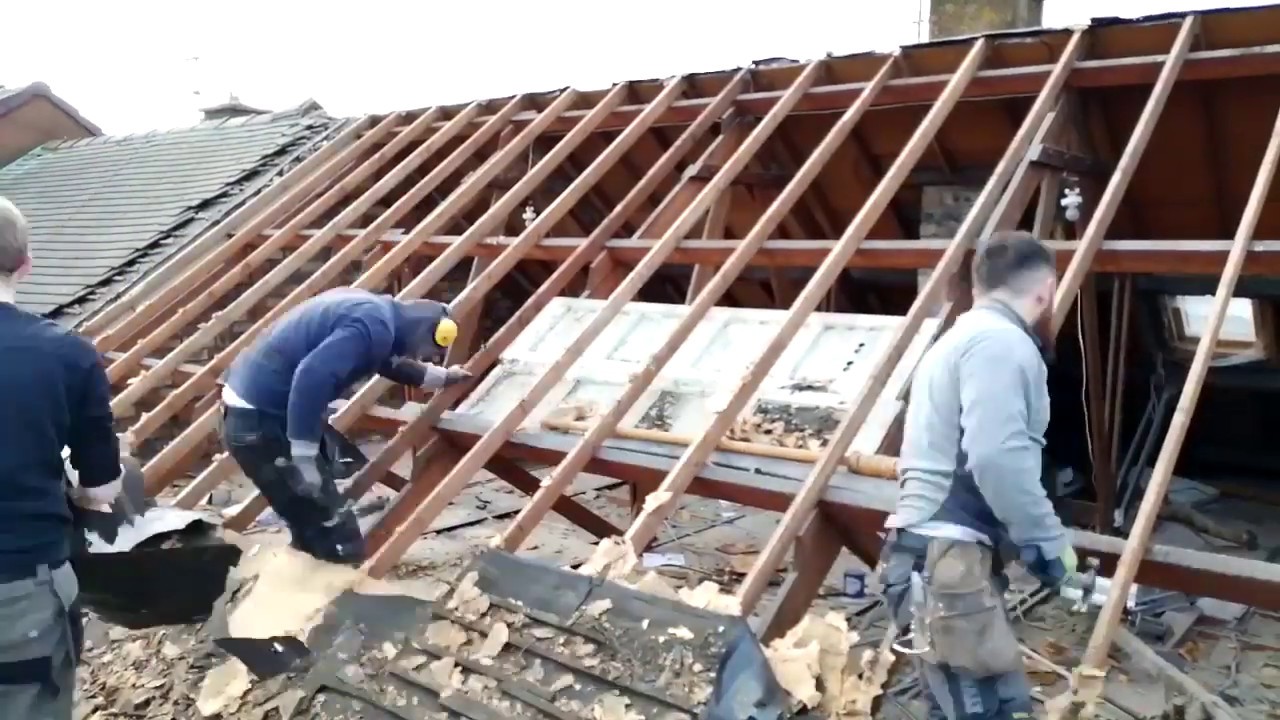
Key warning signs that your roof structure requires maintenance prior to solar installation include noticeable dips or sags along the ridge line, cracked or shifting tiles, moisture stains on internal ceilings, and signs of subterranean termite damage in structural timber rafters—a prevalent hazard in Perth's sandy soils.
Essential Pre-Installation Checklist for Homeowners
To guarantee a smooth, safe installation that protects your property value and warranty coverage, follow these critical preparatory steps:
- Arrange a Comprehensive Roof Integrity Audit: Hire a qualified roofing specialist to assess rafter strength, batten spacing, and tile condition before solar technicians arrive.
- Complete Roof Restorations Early: Carry out all necessary high-pressure cleaning, tile re-pointing, re-bedding, or metal sheet re-screwing while the roof surface remains completely unobstructed.
- Verify Engineering Compliance: Ensure your solar installer provides engineering documentation demonstrating compliance with wind region classifications specific to the Perth metropolitan region.
- Plan for Future Upgrades: If you intend to add modular roof-mounted hardware or micro-inverters heading into 2027 and beyond, ensure your initial structural plan accounts for incremental weight increases.
Secure Your Investment with Professional Assessment
Solar energy delivers incredible financial and environmental benefits, but the success of your installation hinges on the strength of the foundation beneath it. Taking the time to evaluate and reinforce your Gosnells home's roof structure ensures that your system operates safely, reliably, and efficiently for decades to come.
Gosnells Roof Restoration
WA, 6110
(08) 6109 9623